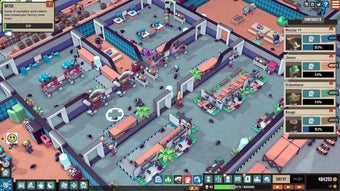
Little Big Workshop: A detailed, planning-first factory simulation
Little Big Workshop, by Mirage Game Studios, turns an Android device into a compact factory sandbox where you act as the 'Big Boss' overseeing production and growth. The game asks you to plan workflows, place machines, and route parts through multi-step production chains using a blueprint-centered planning system that reacts to shifting market demand. It highlights a blueprint system and simulated market that change prices over time, aimed at tycoon fans who value deep logistics and patient strategic play.
Workshop is a layout-first factory management simulation
The core loop focuses on floor organisation, machine procurement and staged assembly rather than action. More than 50 product types populate the tech tree, and many items require multiple parts assembled in sequence. Examples include simple household goods and complex electronics:
- rubber ducks and dressers
- electric guitars, drones, scooters
Sandbox and offline modes let you experiment at your own pace
The game includes an open-ended sandbox experience for layout and process experimentation, and it supports offline play so sessions do not require a connection. The workshop itself expands over time, evolving from a compact desk footprint into a much larger factory floor, which suits players who prefer long-term planning, iterative redesigns, and gradual capacity growth rather than short, confined matches.
The tabletop diorama and sound design aid readability, though compact UIs can feel dense
The presentation renders the factory as a miniature diorama, with animated tiny workers and clean visual layers that make complex flows easier to follow during slow management sessions. Light mechanical ambience and workplace cues help track production. Player reports note the interface can be dense on smaller mobile screens, which reduces clarity when the UI compresses information into tight areas.
The simulation demands deliberate learning because of worker management and day–night cycles
Progression emphasises careful planning: workers have a welfare system that requires breaks and break rooms, and a simulated day-to-night cycle changes operational throughput. These systems increase coordination requirements as you scale from a modest desk workshop to a larger factory. Expect a measured learning curve where early decisions about layout and staff scheduling carry long-term consequences.
Final assessment and who should play it
In summary, Workshop is a careful mobile port that preserves the original PC depth as a premium offering without mobile monetization compromises, which suits players who prefer deliberate, planning-heavy management. Players seeking fast-paced arcade action or instant gratification match lengths may find its pacing slow. For those who enjoy methodical logistics and an involved workshop simulation on Android, it provides a faithful, substantial experience.